
What First-Time Renters in Maryland Should Know Before Signing a Lease
Renting your first apartment is an exciting milestone, but it can also feel overwhelming. From understanding lease terms to knowing your rights…
Renting your first apartment is an exciting milestone, but it can also feel overwhelming. From understanding lease terms to knowing your rights as a tenant, there’s a lot to consider before you sign on the dotted line. In Maryland, rental laws and standard practices may differ from what you’ve heard from friends or family in other states, making it even more important to be informed.
If you’re a first-time renter in Maryland, taking the time to understand the leasing process can help you avoid costly mistakes, protect your finances, and start your rental experience with confidence. Here’s what you should know before signing a lease.
Understand the Type of Lease You’re Signing
Before anything else, it’s essential to understand the type of lease you’re entering into. Most rental agreements in Maryland fall into two categories: fixed-term leases and month-to-month leases.
A fixed-term lease typically lasts six months or one year and locks in your rent for that period. This option offers stability and predictability, which can be ideal for first-time renters. Month-to-month leases, on the other hand, renew every 30 days and offer more flexibility, but they may also come with rent increases or termination notices on shorter notice.
Always read the entire lease carefully. Pay close attention to start and end dates, renewal terms, and penalties for breaking the lease early. Never assume something is “standard”; if it is not written in the lease, it may not be enforceable.
Know How Much Rent You Can Truly Afford
It’s easy to focus only on the monthly rent, but affordability goes beyond that number. A general guideline is to keep rent at or below 30% of your monthly income, but that’s only part of the picture.
First-time renters in Maryland should also budget for:
- Utilities such as electricity, water, and gas
- Internet and cable
- Parking or storage fees
- Pet rent or deposits (if applicable)
- Renters insurance
Understanding your full monthly housing cost helps prevent financial stress and improves your chances of being approved for a rental. Many landlords consider income-to-rent ratios when reviewing applications, so knowing your limits upfront is key.
Security Deposits and Fees in Maryland
Maryland law places clear limits on security deposits, which is especially helpful for first-time renters. Landlords may charge up to two months’ rent as a security deposit, no more.
Landlords are required to provide a written receipt for the deposit and must return it within 45 days after move-out, along with an itemized list of any deductions. Deductions typically relate to unpaid rent or damage beyond normal wear and tear.
To protect your deposit:
- Document the condition of the unit at move-in
- Take photos or videos of any existing damage
- Keep copies of all communication and receipts
Being proactive can make a big difference when it’s time to move out.
What to Look for During the Walkthrough Inspection
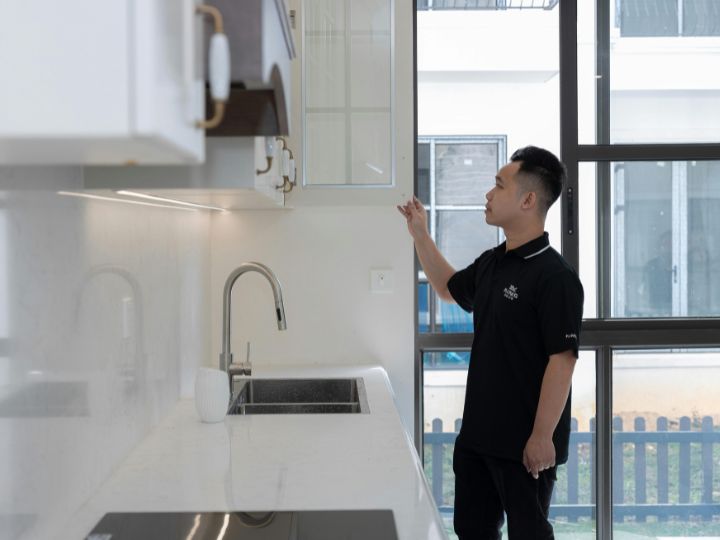
The move-in walkthrough is one of the most important steps for first-time renters. This inspection creates a record of the unit’s condition before you live there, which can help prevent disputes later.
During the walkthrough, check:
- Appliances for proper operation
- Plumbing for leaks or slow drains
- Electrical outlets and light fixtures
- Windows, doors, and locks
- Walls, floors, and ceilings for damage
Report any issues immediately and ensure they are documented in writing. This protects both you and the property manager and sets clear expectations from day one.
Understand Your Rights and Responsibilities as a Tenant
Maryland tenants have specific rights designed to ensure safe and fair housing. These include the right to a habitable living space, timely repairs, and proper notice before a landlord enters your unit.
At the same time, tenants have responsibilities. You are expected to:
- Pay rent on time
- Keep the unit clean and undamaged
- Follow lease rules and community policies
- Report maintenance issues promptly
Understanding both sides of the landlord and tenant relationship helps avoid misunderstandings and creates a smoother rental experience.
Renters Insurance: Is It Required?
While Maryland law does not require renters insurance, many landlords do and even when it’s optional, it’s highly recommended.
Renters insurance typically covers:
- Personal belongings in case of theft or damage
- Liability protection if someone is injured in your unit
- Additional living expenses if the unit becomes uninhabitable
Policies are generally affordable and provide valuable peace of mind, especially for first-time renters who may be replacing furniture or electronics for the first time.
Rules on Roommates, Pets, and Subleasing
Not all leases are the same, especially when it comes to roommates, pets, and subleasing. Some properties limit the number of occupants or require all roommates to be listed on the lease.
Pet policies can vary widely and may include:
- Breed or size restrictions
- Pet deposits or monthly pet rent
Subleasing is often restricted and usually requires written approval from the landlord. Never assume these arrangements are allowed; always check the lease and get permission in writing.
Questions First-Time Renters Should Ask Before Signing
Before signing your lease, don’t hesitate to ask questions. Important topics include:
- How and when rent is paid
- The process for maintenance requests
- Lease renewal terms and rent increases
- Parking availability
- Emergency contact information
Asking questions upfront helps set expectations and ensures there are no surprises later.
Rent with Confidence in Maryland
Renting your first home in Maryland doesn’t have to be stressful. By understanding lease terms, budgeting carefully, and knowing your rights and responsibilities, you can make informed decisions and avoid common pitfalls.
At A&G Management, we believe a successful rental experience starts with transparency, communication, and education. Whether you’re searching for your first apartment or preparing to sign your first lease, taking the time to be informed helps you rent with confidence and peace of mind.
For more information, you can visit our Special Rental Options page to get details.