
Short-Term Lease Tips: How to Prepare Your Rental Space for Guests
Short-term rentals are increasingly popular, offering landlords and property managers opportunities to maximize occupancy and revenue. But a successful rental requires preparation…
Short-term rentals are increasingly popular, offering landlords and property managers opportunities to maximize occupancy and revenue. But a successful rental requires preparation and attention to detail. Ensuring your property is guest-ready not only attracts more bookings but also protects your investment and reduces potential issues.
Here are the practical steps to prepare a short-term rental efficiently and professionally:
1. Deep Clean Your Property
Cleanliness is critical for maintaining your rental’s reputation and value. A thorough deep cleaning ensures that your property meets guest expectations and minimizes complaints. Focus on high-traffic areas like kitchens, bathrooms, and living spaces. Dust, vacuum, mop, and sanitize all surfaces.
Hiring a professional cleaning service can save time and ensure a consistent, high-quality standard, giving your property a polished, guest-ready feel.
2. Declutter and Maintain a Neutral Space
A clutter-free, neutral environment makes your rental appealing to a wide range of guests and reduces the risk of damage to personal items. Remove personal belongings, excessive decorations, or anything fragile that could be damaged during a stay.
Provide functional storage solutions, such as empty drawers, closets, or baskets, so guests can store their belongings comfortably. A well-organized space reflects professional management and contributes to positive guest experiences.
3. Conduct Repairs and Regular Maintenance
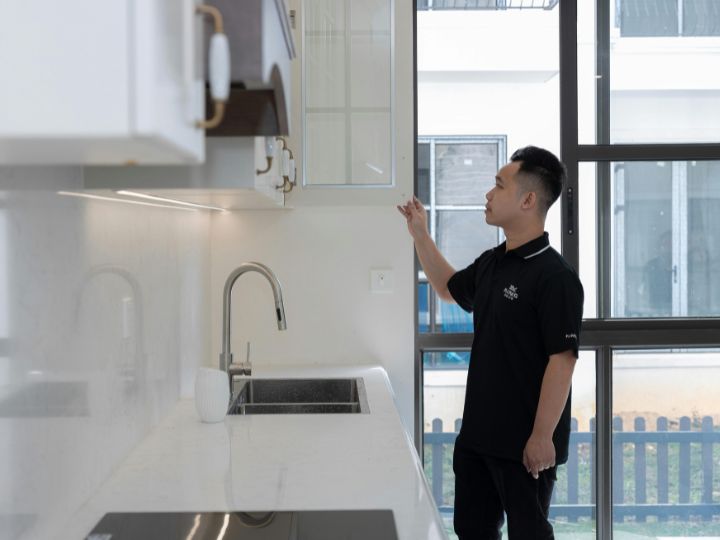
Before listing your property or accepting bookings, inspect it for repairs. Fix leaky faucets, squeaky doors, broken appliances, and malfunctioning lights. Regular maintenance prevents complaints and extends the life of your property and systems.
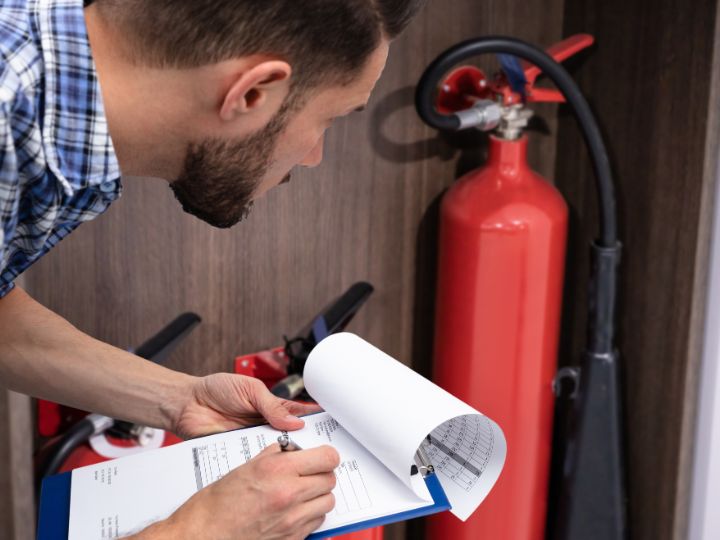
Ensure smoke detectors, carbon monoxide alarms, and door locks are functional. Prioritizing safety protects both your guests and your liability as a property manager.
4. Stock Guest Essentials Strategically
Providing necessary amenities reduces guest friction while minimizing ongoing management challenges. Stock clean linens, towels, and basic toiletries. Small touches like coffee, tea, or a welcome kit can encourage positive reviews and repeat bookings.
Creating a system to replenish supplies between stays ensures your rental is consistently ready for new guests.
5. Optimize the Space for Comfort and Durability
Arrange furniture and decor to maximize functionality while maintaining a welcoming environment. Choose durable furnishings that can withstand frequent use, and use lighting, layout, and subtle decor to create an inviting atmosphere.
A space that is both comfortable and easy to maintain reduces turnover stress and protects your investment.
6. Prepare Clear Instructions and Policies
Clear communication protects both you and your guests. Provide a comprehensive guide with check-in and check-out procedures, appliance instructions, Wi-Fi access, and emergency contacts.
Outline house rules regarding pets, smoking, or noise to prevent misunderstandings. Clear policies make your rental easier to manage and more professional.
7. Prioritize Safety and Security
Implement robust safety measures. Secure doors and windows, provide a first-aid kit and fire extinguisher, and ensure emergency exits are accessible.
Security cameras in entryways or common areas can add peace of mind, but always disclose their presence to comply with privacy regulations. A safe, secure property protects your guests and your investment.
Conclusion
Preparing a short-term rental requires attention to cleanliness, maintenance, organization, and safety. Following these tips helps property managers reduce turnover stress, protect their investment, and create a positive guest experience.
By following guidance from A&G Management, landlords and managers can maximize bookings and maintain a strong reputation in the competitive short-term rental market.